



















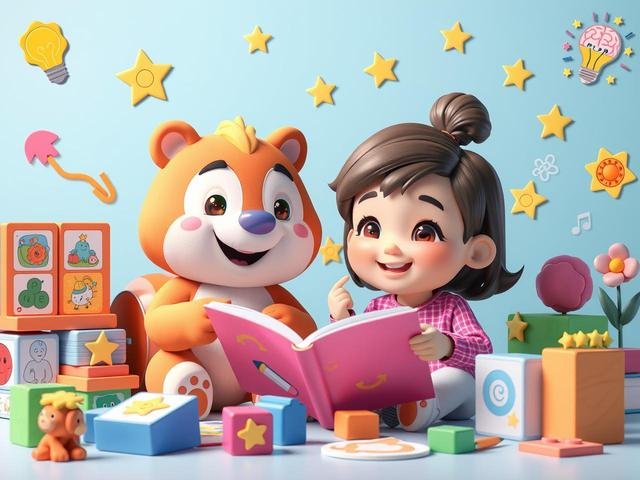
10 Powerful Ways to Help Your Child Learn and Remember What They Learn
Unlock your child’s memory potential with engaging, evidence based strategies that make learning fun and stick for the long term.
Every child learns differently, but some proven techniques can boost understanding, memory, and confidence. In this article, you’ll discover practical routines, brain-friendly study methods, and playful activities that help children retain information with joy and success.
Helping children learn isn’t just about study time, it’s about using brain-friendly strategies that make information meaningful and memorable. Here are 10 research-supported tips you can start using today to support your child’s learning journey:
1. Make Learning Active and Engaging
Children retain more when they do rather than just listen or read. Activities like drawing concepts, playing educational games, or acting out scenarios help cement learning in exciting ways.
2. Use Spaced Repetition
Instead of cramming, revisit material in short bursts over several days. This spaced review strengthens memory and helps information move into long-term storage.
3. Break Information Into Snack-Sized Chunks
Big topics can overwhelm young brains. Divide lessons into small, manageable pieces and take breaks in between to keep focus sharp.
4. Teach Through Multiple Senses
Kids remember better when learning involves seeing, saying, and doing. Use visual aids, songs, movement, and hands-on activities together.
5. Encourage Them to Teach You
When your child explains something back to you, even if it’s a game, they reinforce understanding and memory retention.
6. Create Routines
Consistent study and review routines help children form memory habits. Daily or evening review rituals give structure and help information stick.
7. Use Memory Tricks Like Mnemonics
Rhymes, acronyms, and funny phrases turn boring facts into stories children can recall with ease.
8. Prioritize Sleep
Memory consolidation happens while children sleep. Ensuring enough restful sleep — typically 9–11 hours — gives their brains time to store what they learned.
9. Connect Learning to Real Life
When lessons are linked to everyday experiences — like counting with coins or acting out a story — kids find meaning in the information, which helps memory.
10. Keep It Fun and Positive
Children learn best in joyful, low-stress environments. Encourage curiosity and praise effort rather than perfection to build confidence and a love for learning.


Admin
More from Admin
Why Story-Based Learning Makes ...
6 Oct 2026
How Projects Help Children ...
6 Oct 2026
5 Fun Speaking Activities That ...
6 Oct 2026
Comments
Stay Connected with StarSpeaky


Quick Links
Login Register Live Classes Meet Our Teachers The StarSpeaky Way Contact About StarSpeakyLearning at StarSpeaky
Speaking Confidence Story-Based Learning Project-Based Learning Live English Classes Qualified TeachersContact US


Reply to Comment