



















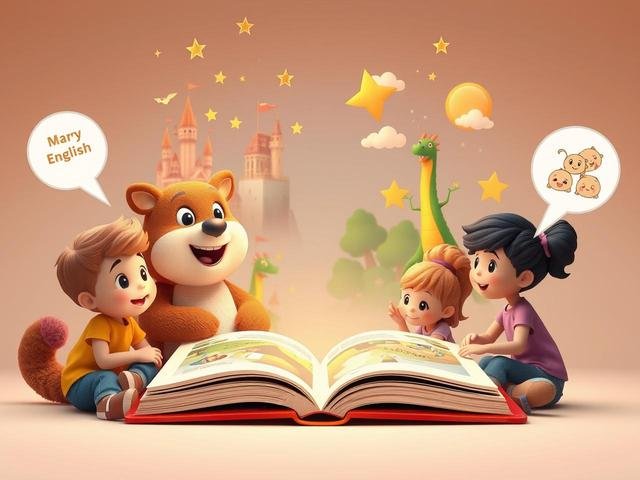
Why Story-Based Learning Makes English More Fun and Effective for Children
Stories help children connect English with imagination, emotion and meaning, making vocabulary, listening and speaking easier to understand and remember.
Stories make language meaningful. By connecting words with characters, actions and emotions, children can understand and remember English more naturally while enjoying the learning process.
Children often learn best when lessons capture their imagination. Stories provide context, emotion and purpose, which makes them especially effective for language learning.
1. Stories Give Vocabulary Meaning
Words are easier to understand when children meet them inside a story. Characters, actions and situations help children connect new language with clear meaning.
2. Stories Strengthen Listening Skills
Listening to stories exposes children to natural sentence patterns, pronunciation and rhythm. This develops comprehension in an engaging and low-pressure way.
3. Stories Encourage Speaking
Children can predict what happens next, describe characters, retell events and explain their opinions. These activities create natural opportunities for speaking practice.
4. Stories Improve Memory
A story gives new language structure and context. Children are more likely to remember vocabulary and phrases when they are connected to an interesting sequence of events.
5. Stories Build Creativity
Children can invent new endings, act out scenes, create characters or imagine themselves inside the story. This turns English into an active creative experience.
6. Stories Can Be Adapted to Different Levels
Younger learners can work with simple picture stories, while older children can discuss more complex themes, characters and ideas. The same approach can grow with the learner.
7. Enjoyment Improves Participation
When children enjoy a lesson, they are more likely to participate, ask questions and stay focused. Story-based learning helps make English something they look forward to.
The StarSpeaky Approach
At StarSpeaky, stories are combined with live teacher interaction, speaking activities and projects. Children do not simply listen; they respond, discuss, create and use English actively.
Conclusion
Story-based learning works because it connects language with curiosity and imagination. It helps children develop vocabulary, listening, speaking and confidence while keeping learning enjoyable and memorable.

Admin
More from Admin
How Projects Help Children ...
6 Oct 2026
10 Powerful Ways to Help Your ...
3 Feb 2026
How Live English Classes Help ...
6 Oct 2026
Comments
Stay Connected with StarSpeaky


Quick Links
Login Register Live Classes Meet Our Teachers The StarSpeaky Way Contact About StarSpeakyLearning at StarSpeaky
Speaking Confidence Story-Based Learning Project-Based Learning Live English Classes Qualified TeachersContact US


Reply to Comment